Plot Twists and Algorithms

Use picture books to teach media literacy, digital fluency, and foundational computer science concepts through engaging, cross-curricular activities.

About the course
Discover how picture books can become powerful gateways to teaching media literacy, digital fluency, and foundational computer science concepts. This course weaves together narrative structure, algorithmic thinking, and critical media analysis to create engaging, cross-curricular learning experiences. Spark students’ imaginations while building essential skills like communication, collaboration, and critical thinking. Walk away with practical strategies, book pairings, and ready-to-use classroom activities that bring complex concepts to life through storytelling.
How it works
You will join a group of 2 to 5 colleagues, and as a group, you will meet 4 times, either in person or online, at a time you all agree on.
Join a circle
Create your circle or request to join a colleague's. The host accepts the request.
Agree on a schedule
Decide the most convenient time for your sessions, online or in person.
Join and collaborate
When the session arrives, connect with your colleagues and complete the activities together.
What's included
Requirements
- Current teaching position or educational role
- Basic computer literacy and reliable internet access
- Willingness to engage in interactive group learning
- Openness to implementing new strategies in classroom practice
Course syllabus
Session 1: Page to Pixel: Unpacking Media Literacy and Digital Fluency Through Picture Books
- • Explore how the visual and narrative elements of picture books can be used to teach students to critically analyze media
- • Navigate the digital world effectively including digital citizenship and digital wellness
Session 2: Storytelling with Algorithms: Connecting Narrative Structure and Computational Thinking
- • Learn to identify patterns and sequences in picture book plots as algorithmic thinking
- • Explore basic computer science concepts
Session 3: Beyond the Story: Fostering Communication, Collaboration, and Critical Thinking with Picture Books and Tech
- • Focus on practical strategies and activities
- • Use picture books and technology to encourage student communication, teamwork, and analytical skills
Session 4: Plot Twists and Programming: Practical Integration of Picture Books and Foundational CS
- • Create book pairings and classroom-ready activities
- • Seamlessly blend narrative engagement with the teaching of foundational computer science concepts
Meet the instructor
Laurie Guyon
Laurie Guyon is the Lead Coordinator for Instructional Technology Programs at WSWHE BOCES, a trainer and Capital Region Director for NYSCATE, and an adjunct professor at Manhattanville University, where she teaches methods of teaching computer science. She authored SMILE Learning: Leveraging the Power of Educational Technology, co-hosts the SMILE Factor podcast, and co-authored ArchiTech: Laying the Foundation for EdTech Coaching. Laurie has received multiple awards, including the 2023 SAANYS Leader in Digital Education Award, ISTE’s “20 to Watch,” Tech & Learning’s Best Overall Implementation of Technology (2022), and the Digital Citizenship Institute’s Global Impactor Award (2022). She was also named a CoSN NextGen Emerging EdTech Leader in 2020. A contributor to the NYSED Computer Science and Digital Fluency standards, Laurie leads statewide workshops and coaching cohorts. She is an ISTE Certified Educator and Trainer, Google Cloud Certified, Google Trainer and Innovator, and serves as an ambassador for numerous edtech platforms, including Common Sense, Seesaw, Nearpod, Lumio, Book Creator, Hapara, MagicSchool AI, and SchoolAI.
There are only
good questions ;)
Still have questions? Write to us!
Related courses
All courses
Language-Rich Spaces for Plurilingual Learners
Design culturally responsive, cognitively rich spaces to support plurilingual learners’ language development and identity.


Agency and concept-based learning
Explore the foundations of IB, the student profile, student agency, and concept-based learning to transform your teaching practice.


Agency: Helping Students Take the Lead
Practical strategies to create classroom environments where students feel empowered and take ownership of their learning journey.
Related articles
Visit the blog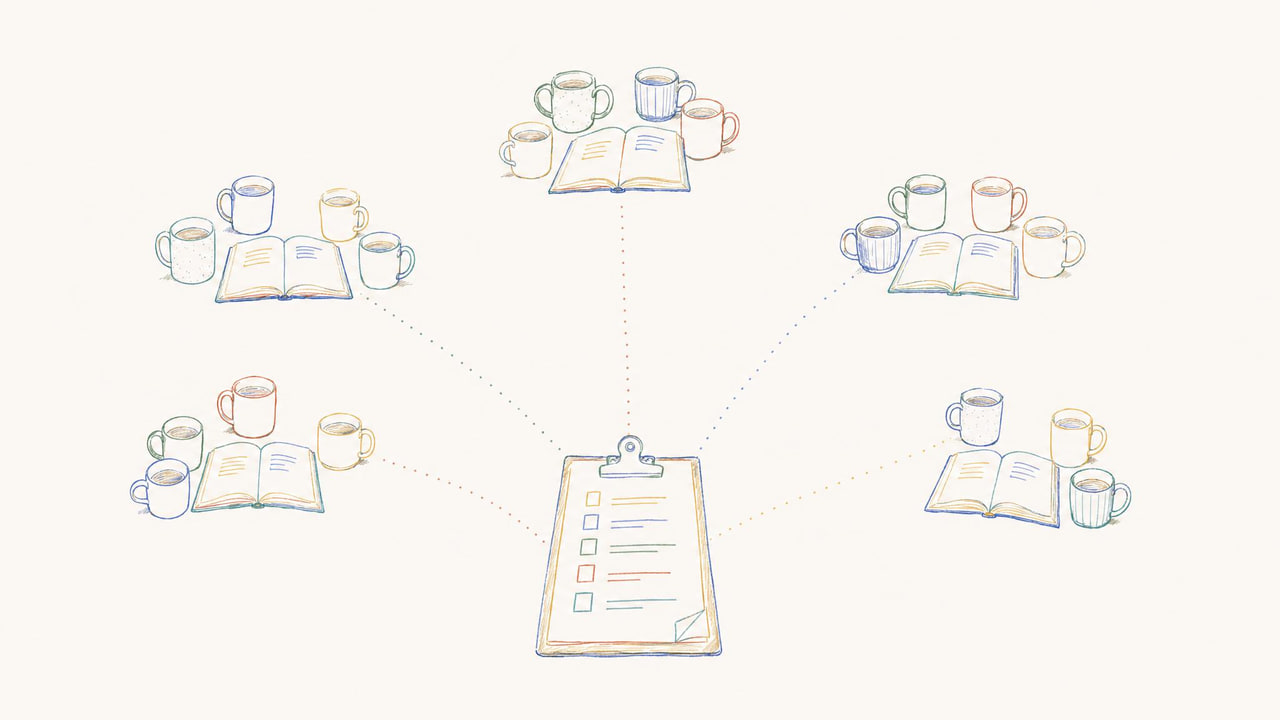
Professional learning communities and how to sustain them
What the evidence says about professional learning communities, why they stall on coordination, visibility and management, and what they need to grow. Written for school leaders.

AI for teacher development: learning alone or with your team
55% of Chilean teachers already use AI at work, but how they adopt it matters as much as whether they do. The case for embedding AI in existing PLCs, and three steps for school leaders.

Written comments that guide revision
What written feedback can contribute, when it may be useful to concentrate it on one goal, and the limits of the available studies.