Planning with AI is not cheating: it's exercising professional judgment
Using AI to prepare lessons frees up cognitive time without delegating the teacher's judgment — as long as you define objectives and context before asking for the draft.

Using AI to prepare lessons frees up cognitive time without delegating the teacher's judgment — as long as you define objectives and context before asking for the draft.

Circles Learning announces the launch of their new educational platform connecting world-class experts with K-12 teachers through specialized courses. The platform enables educators to form "circles" of 2-5 colleagues to access elite training through flexible weekly meetings, breaking down traditional barriers of cost, geography, and time that limited access to high-quality professional development workshops.

TeachView is an AI-powered classroom observation tool that allows teachers to easily record their lessons using just a smartphone. The system provides interactive transcripts, visual timelines of speaking patterns, and AI analysis of teaching moments. Teachers can search for specific instructional practices, while school leaders can use customizable observation protocols aligned with their priorities. TeachView aims to transform classroom observation from a rare, stressful event into a regular, empowering practice, especially when combined with Circles Learning's collaborative professional development communities, ultimately freeing up time for meaningful conversations about teaching and learning.

Traditional classroom observation is infrequent and often anxiety-inducing for teachers. Technology has evolved from basic video recording to AI-powered systems that can now analyze both audio and visual aspects of teaching. This evolution includes systems like Swivl for automated recording and TeachFX for analyzing classroom talk patterns. Recent advances in AI have democratized these technologies, making high-quality feedback accessible to all teachers regardless of school resources. The ultimate goal is transforming observation from an evaluative process to a supportive one that fosters continuous professional growth.

Self-Determination Theory (SDT) explains motivation through three needs: autonomy (control), competence (skill), and relatedness (connection). Meeting these sparks intrinsic motivation, where people learn or work for joy, not rewards. Research shows this boosts engagement and meaning, like kids biking for fun. Schools often overuse external nudges (grades, prizes), which can dim the spark. Instead, give choices, show progress, and foster teamwork. SDT proves we’re wired to learn when given room to thrive, not bribed or scared.

Why letting students choose their learning companions works better than algorithmic matching in online education.

Classroom design as the enemy of learning: why we need to reinvent educational spaces to facilitate effective teaching.

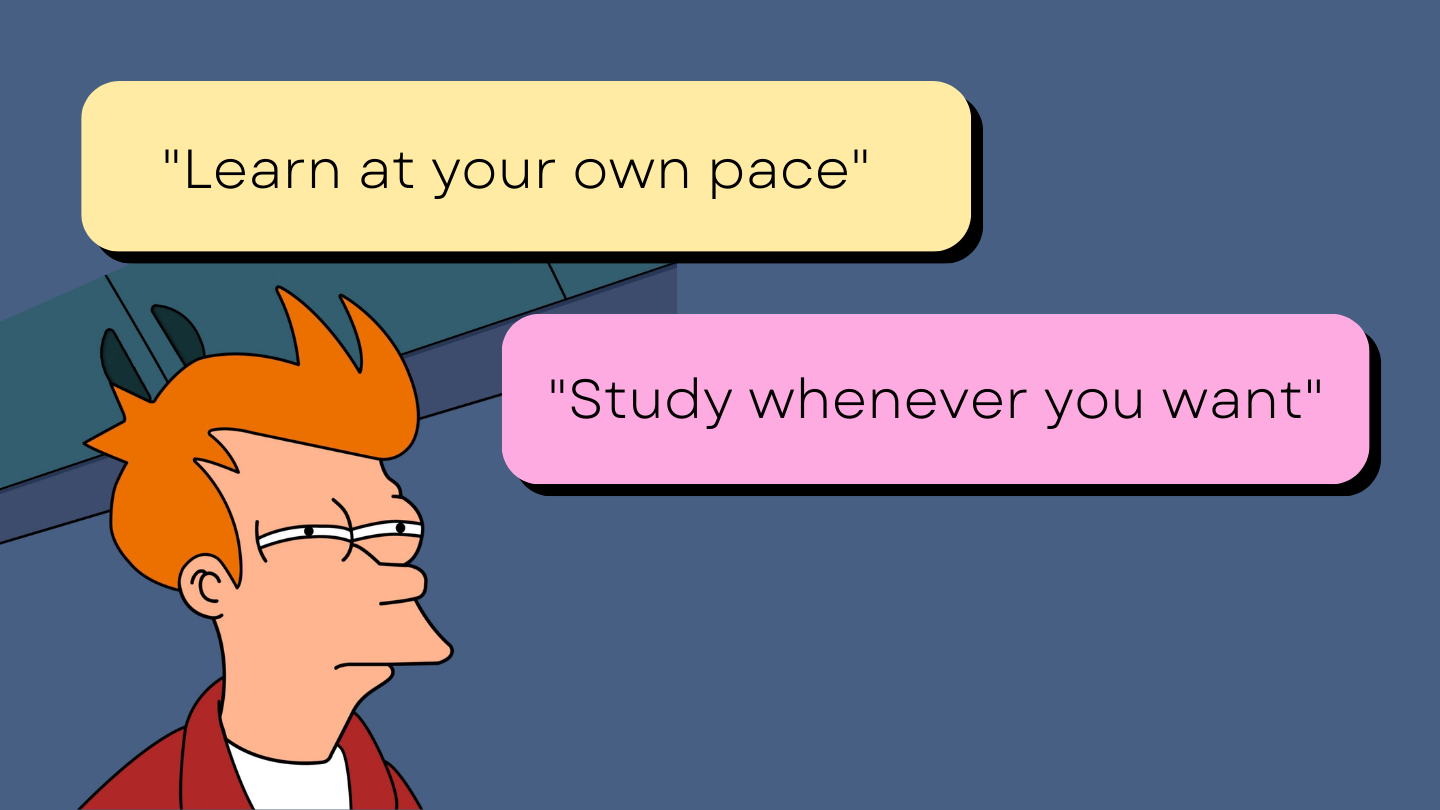
The trap of total flexibility in online education: why structure and social commitment are fundamental for effective learning.