Relationship Building Intensive

Strengthen student relationships through intentional strategies, video sharing, and collaborative problem-solving.

About the course
A practice-based course that helps educators strengthen student relationships through intentional weekly strategies. Each session focuses on a core connection-building practice for teachers to implement in their classrooms. Through video sharing, group reflection, and collaborative problem-solving, participants gain tools to build meaningful connections with all students, including those who are hardest to reach.
How it works
You will join a group of 2 to 5 colleagues, and as a group, you will meet 4 times, either in person or online, at a time you all agree on.
Join a circle
Organize your study group with colleagues during the match period.
Agree on a schedule
Decide the most convenient time for your sessions, online or in person.
Join and collaborate
When the session arrives, connect with your colleagues and complete the activities together.
What's included
Requirements
- Current teaching position or educational role
- Basic computer literacy and reliable internet access
- Willingness to engage in interactive group learning
- Openness to implementing new strategies in classroom practice
Course syllabus
Session 1: The Power of Connection in the Classroom
- • Understand the impact of strong student-teacher relationships on learning and behavior
- • Identify personal strengths and gaps in relational practices
- • Commit to implementing a targeted relationship-building strategy
Session 2: Reflecting on Connection and Deepening Practice
- • Share and reflect on the outcomes of the implemented strategy
- • Analyze video or anecdotal evidence of successful student interactions
- • Explore additional techniques for creating consistent, relational moments
Session 3: Reaching Disconnected or Hard-to-Reach Students
- • Identify students who remain emotionally or socially disconnected
- • Collaborate with peers to brainstorm targeted strategies for inclusion and trust-building
- • Select and apply one new approach with a focus student
Session 4: Sustaining Relational Practices in Daily Teaching
- • Reflect on growth in relationship-building over the course
- • Finalize a sustainable plan to integrate relational practices into everyday instruction
- • Celebrate successes and build a peer network for ongoing support and accountability
Meet the instructor
Emily Dills
Emily Dills is an experienced educator, EQ coach, and founder dedicated to transforming how adults engage with kids. With almost 20 years in education, she brings a unique Dual-Generation EQ Model that equips caregivers, educators, and youth workers with practical emotional intelligence tools to better support children’s development. Emily’s work blends research-backed strategies with real-life experience to create confident, emotionally healthy adults who can help kids thrive.
There are only
good questions ;)
Still have questions? Write to us!
Related courses
All courses
Emotion Coaching Circle: From Theory to Practice
Develop emotion coaching skills through real classroom challenges, combining theory, practice, and peer collaboration.

EQ in Action: Classroom Emotional Intelligence Lab
A practical course to strengthen emotional intelligence in classroom settings through collaborative activities and reflective discussions.

Preventative Practices Lab
Develop proactive classroom management systems through peer coaching and co-design to reduce disruptions and foster a positive environment.
Related articles
Visit the blog
AI for teacher development: learning alone or with your team
55% of Chilean teachers already use AI at work, but how they adopt it matters as much as whether they do. The case for embedding AI in existing PLCs, and three steps for school leaders.
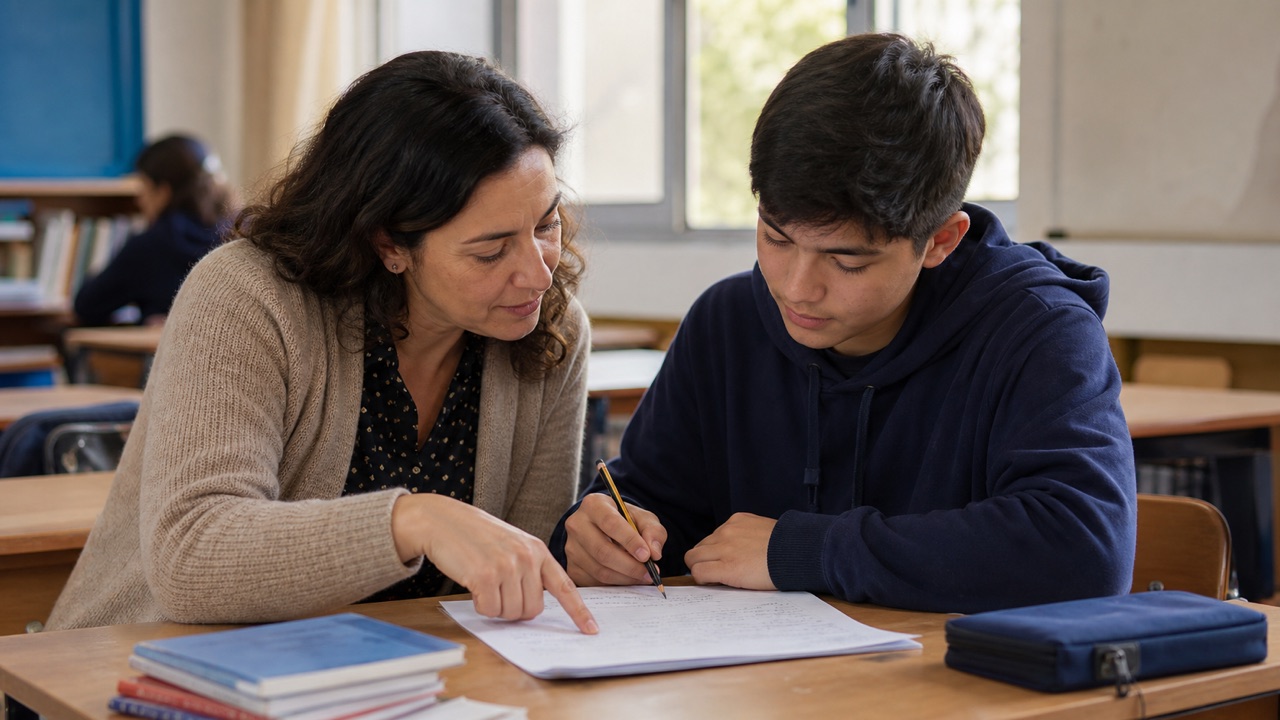
Written comments that guide revision
What written feedback can contribute, when it may be useful to concentrate it on one goal, and the limits of the available studies.

Lesson planning with AI: evidence and limits
What one trial shows about using AI to prepare lessons, which decisions remain with the teacher, and how to review a draft before using it.